
Musical Dancing Fountain vs Static Fountain: Cost, PLC Automation & Engineering Analysis
Evaluating the maintenance, power requirements, cost, and public engagement impact of dynamic DMX 512 dancing systems versus architectural static features.
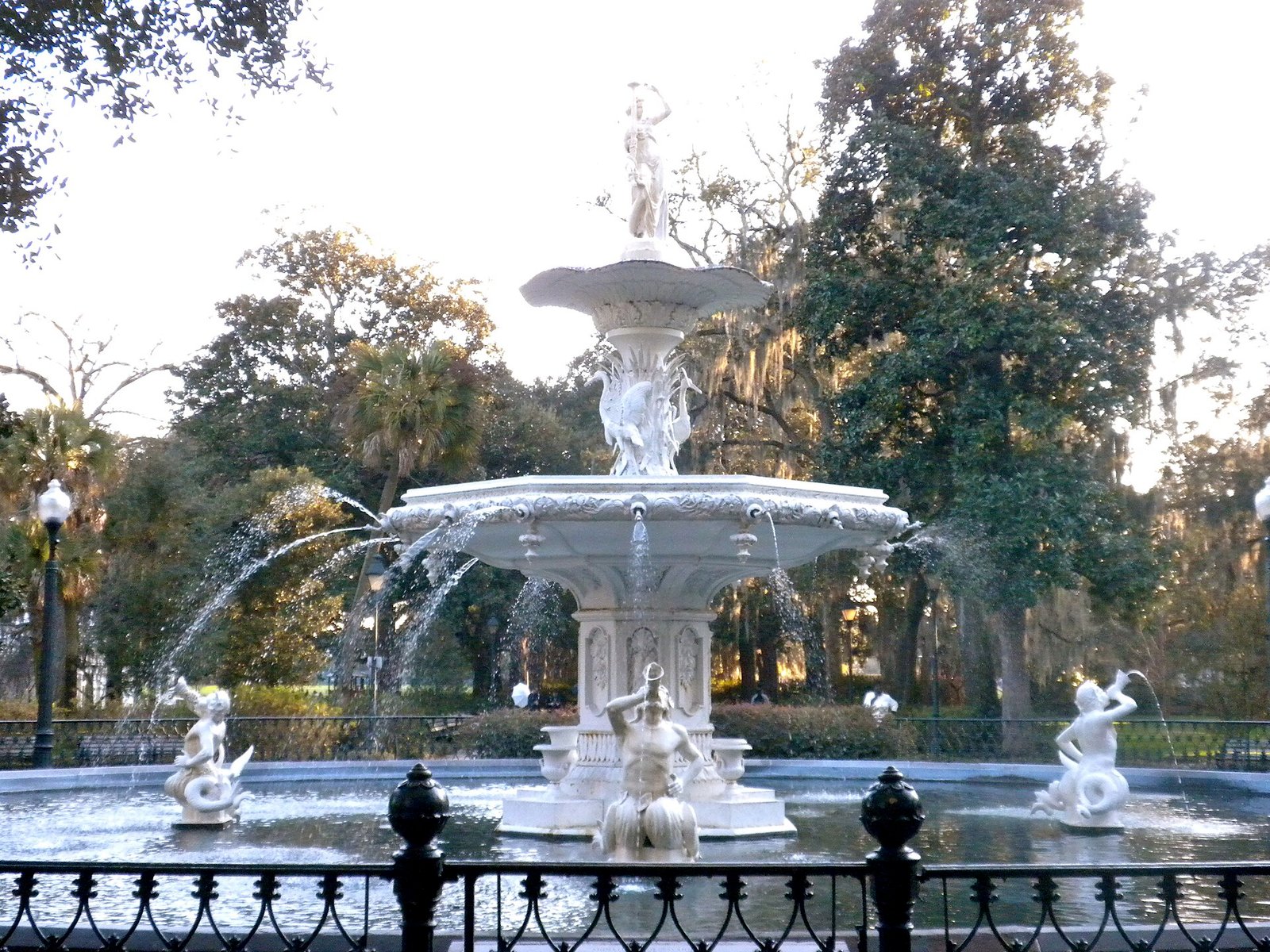
Hydraulic Architecture: Continuous Gravity Flow vs Dynamic Pulsed Flow
Static fountains maintain steady hydraulic pressure across fixed manifold loops. In contrast, musical dancing fountains require dynamic hydraulic zoning where individual nozzles or nozzle groups fire intermittently. This demands robust water hammer arrestors, oversized header pipes, and precision pressure balancing valves to prevent cavitation and pressure surge spikes from damaging pump impellers when multiple solenoids close within milliseconds.
Control System Topologies: Contactors vs PLC and DMX 512 Nodes
A static fountain requires only basic motor starters, timers, and overload relays inside an outdoor distribution board. A dancing musical fountain integrates an industrial PLC (such as Siemens or Schneider) interfaced with multi-universe DMX 512 / Art-Net stage automation controllers. The PLC modulates VFD ramp-up speeds (0.1 to 0.3-second acceleration curves) while DMX sub-controllers pulse underwater solenoids and RGBW illuminators at 40 Hz frame rates.
Capital Expenditure (CapEx) and Operational Expenditure (OpEx) Realities
Initial CapEx for a musical fountain is typically 2.5x to 4x higher than an equivalent footprint static feature due to specialized IP68 solenoids, VFD automation cabinets, sound reinforcement systems, and choreography programming. However, OpEx can be substantially optimized: because pumps and lights ramp down dynamically between high-energy musical segments, average kilowatt consumption is frequently lower than a static fountain running at 100% full motor load continuously.
Public Footfall and Commercial Value Generation
Static fountains provide elegant ambient white noise and background aesthetics suitable for corporate headquarters courtyards and private residential villas. Conversely, musical dancing fountains serve as primary destination anchors for commercial shopping malls, municipal lakefronts, and luxury resorts, drawing concentrated evening crowds and dramatically boosting adjacent retail and dining revenues.
Direct Architectural & Engineering Comparison Matrix
| System Metric | Static Architectural Fountain | DMX 512 Musical Dancing Fountain |
|---|---|---|
| Hydraulic Control | Fixed centrifugal pump & manual valves | Multi-VFD modulation + 24V fast solenoids |
| Control Hardware | Standard motor starter & 24h timer | Industrial PLC + DMX 512 audio sync controller |
| Nozzle Types | Fixed geyser, cascade, or foam jet | 1D/2D digital swinging jets, jumping laminar, solenoids |
| Lighting Sync | Static monochromatic on/off schedule | Sub-second DMX RGBW color chases & strobes |
| Sound Integration | Ambient water splashing sound only | Synchronized high-fidelity outdoor audio systems |
| Visitor Engagement | Passive background visual amenity | Active destination entertainment driving massive footfall |
Technical FAQs
Can an existing static fountain be retrofitted into a musical dancing fountain?
Yes. Retrofitting requires installing VFDs in the control room, replacing rigid piping manifolds with solenoid-actuated distribution rings, adding DMX 512 cabling, and programming the custom musical choreography.
How long does it take to choreograph a musical fountain song?
Professional fountain choreography requires 4 to 8 hours per musical track to map frequency transients, rhythm pulses, nozzle heights, and color transitions seamlessly.
What maintenance difference exists between static and dancing fountains?
Dancing fountains have more moving parts (solenoids, VFD cooling fans) requiring monthly solenoid seal inspections and quarterly PLC firmware diagnostic checks alongside standard water filtration.
What happens to a dancing fountain on windy days?
Modern automated control panels integrate digital ultrasonic anemometers (wind sensors). When wind speeds exceed preset thresholds (e.g., 25 km/h), the PLC automatically lowers water jet heights to prevent public overspray.
What water filtration is needed for solenoid-driven dancing jets?
Solenoid valves have internal pilot orifices sensitive to suspended particulates. Multi-stage sand filtration with fine 50-micron stainless steel inline strainers is critical to prevent valve clogging.
Have a Fountain Project Requiring Expert Engineering?
Consult with Fludio's hydraulic engineers for complete DMX 512 choreography, pump sizing, and certified 304L stainless steel hardware.
Consult Our Engineering Team