
Luxury Hotel & Resort Water Feature Design: Acoustic Tuning, Spillover Pools & Visual Focal Points
How high-end synchronized water features and decorative landscape fountains elevate brand prestige, guests' arrivals, and entertainment value in premium resort developments.
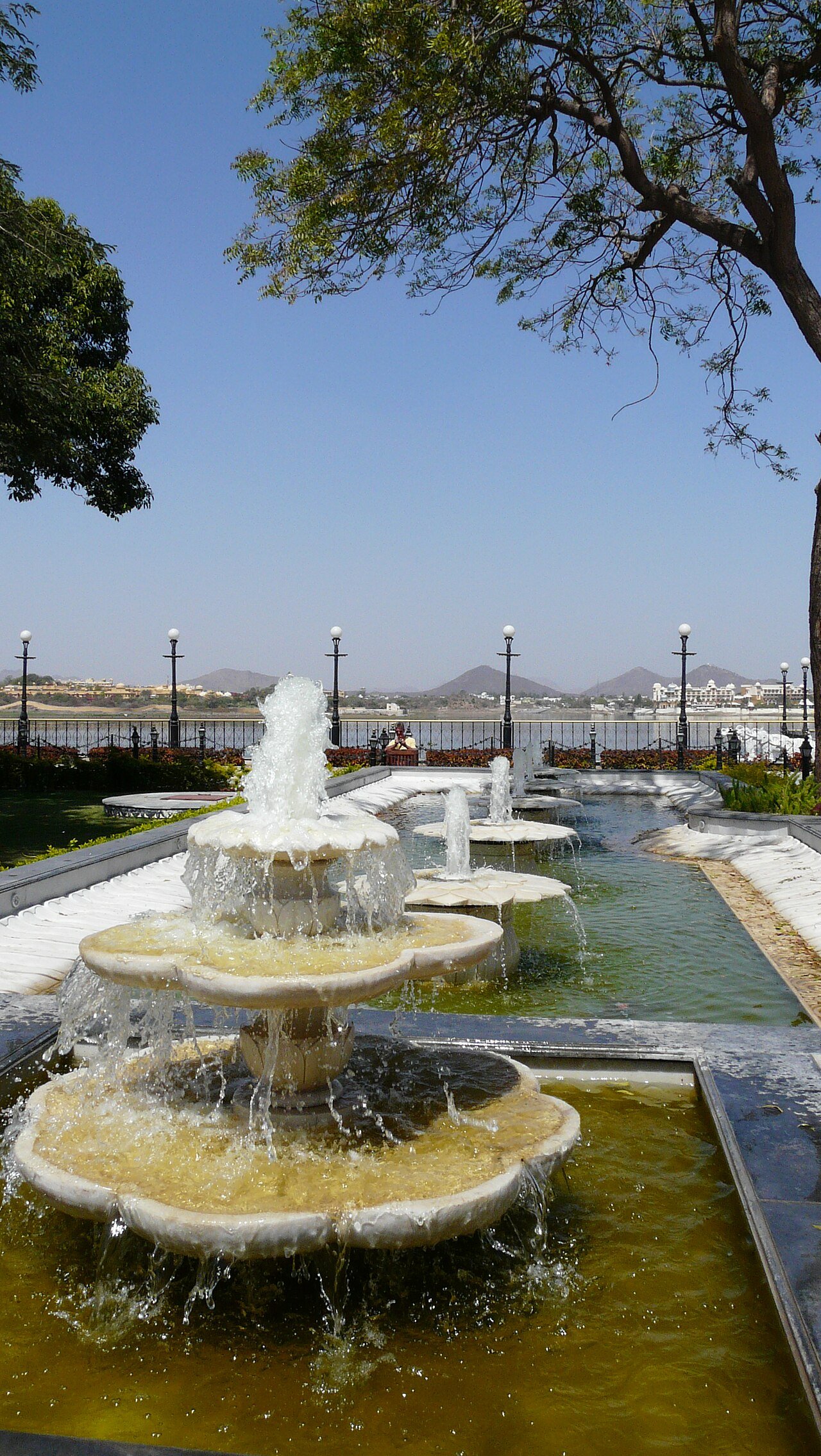
Acoustic Tuning: Calibrating Decibel Levels for Arrival and Relaxation Zones
A common flaw in resort fountains is excessive acoustic splashing that disrupts conversation in lobby courtyards or outdoor dining verandas. By adjusting weir drop heights (maintaining drops under 300mm onto sloped pebble impact beaches) and selecting air-entraining foam jets rather than hollow brass jets, engineers tune the acoustic output to 48–52 dBA of gentle white noise—optimal for masking passing luggage carts and street traffic.
Zero-Splash Engineering: Preserving Walkway Safety Around Guest Corridors
Resorts feature high foot traffic in formal attire. Water feature basins must adhere to the 1:1 splash safety ratio: the distance from any nozzle to the nearest pedestrian coping edge must equal or exceed the maximum vertical water height. For architectural sheetfall waterfalls flanking glass walls, anti-splash stainless steel baffles and submerged acoustic mesh absorb kinetic droplet energy before mist can drift onto marble flooring.
Automated Water Quality Management: Odorless Sanitization for Guest Comfort
High-chlorine odors destroy the ambiance of luxury boutique hotels. Commercial resort installations incorporate automated ozone generators, UV-C sterilizers, and digital pH/ORP dosing controllers. This reduces chlorine demand by over 75% while keeping the water crystal-clear and safe from microbial contamination without irritating guests' eyes or respiratory senses.
Lighting Scenography: 3000K Warm White vs Subtle Color Transitions
Hospitality lighting must complement surrounding architectural stonework and landscaping. High-CRI (>90) 3000K warm white IP68 LED spotlights highlight the crystalline texture of flowing water without harsh glare. During evening private galas or corporate retreats, secondary DMX channels can transition the basin lighting into soft amber or deep royal indigo washes.
Resort Water Feature Typologies & Specification Guide
| Feature Typology | Acoustic Level | Splash Containment | Filtration Spec | Ideal Resort Zone |
|---|---|---|---|---|
| Granite Sheetfall Cascade | 45 - 50 dBA (Gentle splash) | Near-zero with splash mesh | Cartridge + UV Sterilizer | Lobby Atrium / Welcome Foyer |
| Reflecting Pool with Bubblers | 35 - 42 dBA (Subtle hum) | Zero splash drift | Sand filter + Ozone | Courtyard / Spa Sanctuary |
| Tiered Foam Jet Basin | 55 - 62 dBA (Vibrant sound) | Standard 1:1 basin offset | High-rate Sand + UV | Main Porte-Cochère Entrance |
| Interactive Dry Deck Plaza | Adjustable 40 - 70 dBA | 100% subterranean catch | Dual multi-cyclone + Chlorine | Family Pool & Event Lawn |
Technical FAQs
How do resorts maintain clean water features during monsoon or heavy rainfall?
Engineered basins feature automatic perimeter overflow drains and automated skimmer weirs that route excess rainwater away while preventing debris from settling into bottom suction sumps.
Can resort water features be safely installed over underground basements?
Yes, provided dual-layer elastomeric waterproofing membranes, leak detection sensors, and vibration-isolating neoprene pads beneath all pump bases are engineered into the structural slabs.
What is the typical energy consumption of a luxury resort fountain?
Modern high-efficiency variable-speed pumps running on scheduled duty cycles typically consume between 1.5 kW and 4 kW, costing only a fraction of traditional fixed-speed municipal pumps.
How are pump noises kept silent in quiet guest zones?
Pumps are located in remote underground plant rooms with acoustically insulated doors, flexible rubber pipe couplings to stop vibration transmission through building walls, and water-cooled submersible motor alternatives.
What water treatment prevents algae on dark natural stone fountains?
Continuous low-dose copper/silver ionization combined with weekly automated algaecide dosing keeps dark granite and slate water features pristine without bleaching stone sealers.
Have a Fountain Project Requiring Expert Engineering?
Consult with Fludio's hydraulic engineers for complete DMX 512 choreography, pump sizing, and certified 304L stainless steel hardware.
Consult Our Engineering Team