
IoT SCADA & Predictive Maintenance for Commercial Fountains: Cloud Telemetry, Vibration Analysis & Automated Chemical Dosing
Learn how IoT SCADA systems, cloud telemetry, vibration sensors, and automated chemical dosing eliminate downtime and optimize energy in commercial and municipal fountains.
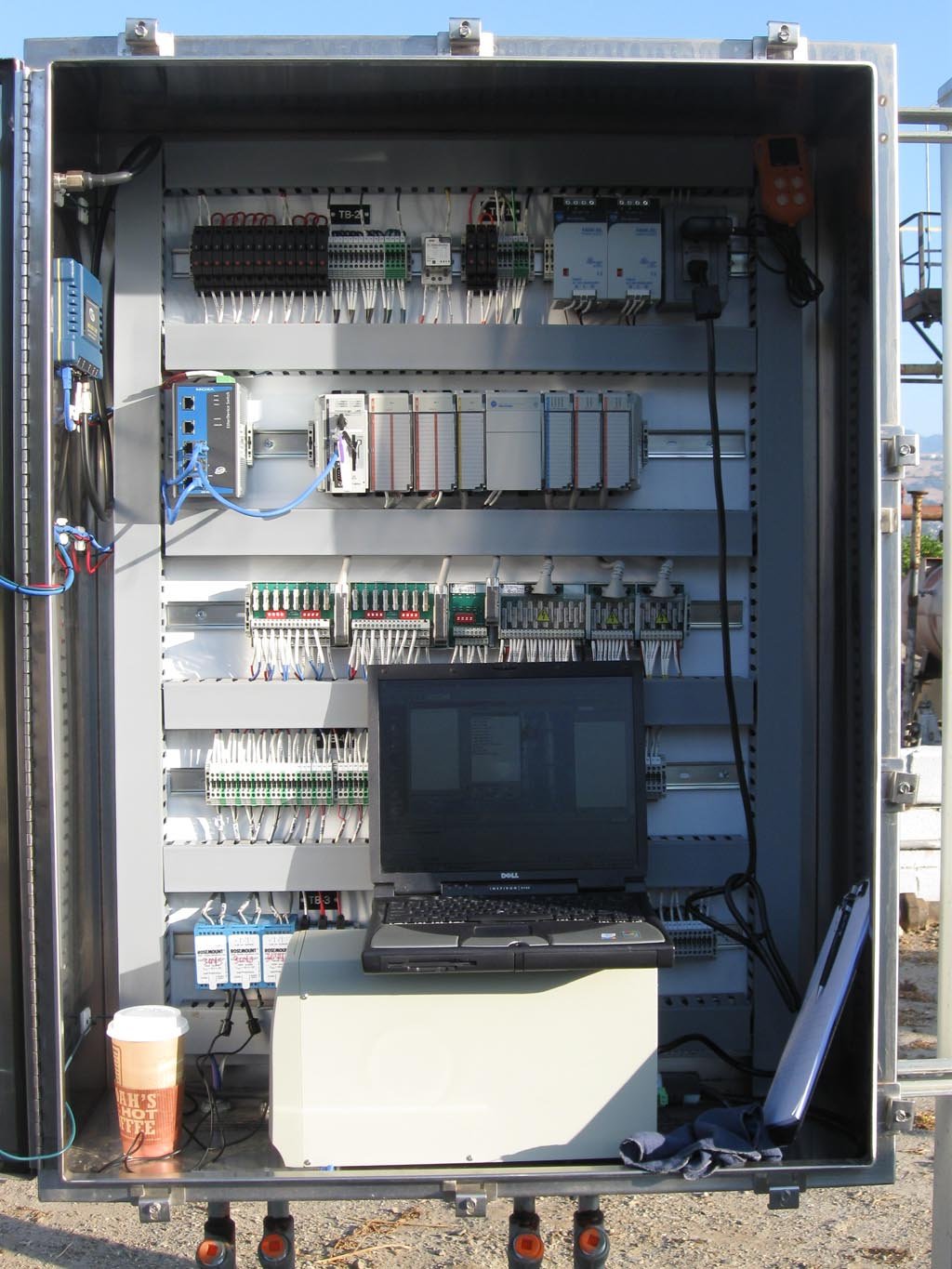
Edge PLC Architecture & Cloud Telemetry Protocols in 2027
Modern municipal and commercial fountain infrastructure has migrated from isolated local push-button cabinets to interconnected Cyber-Physical Systems (CPS). Fludio's industrial edge automation panels utilize Siemens S7-1200 or Schneider Modicon M241 PLCs coupled to cellular MQTT and OPC-UA edge gateways. Every 250 milliseconds, operational metrics—including line voltages, power factors, manifold hydrostatic pressure (bar), basin water levels, and ambient wind speed anemometer data—are transmitted via TLS 1.3 encrypted streams to cloud monitoring dashboards. Facility managers can monitor system health, override operating schedules, and inspect live operational alarms from any smartphone or central Integrated Command & Control Centre (ICCC).
Submersible Pump Vibration Analysis & Cavitation Diagnostics
Submersible pumps represent 45% of total fountain electro-mechanical capital cost and 80% of catastrophic field failures. Conventional thermal overloads only trip after windings melt or motor bearings seize. Fludio integrates tri-axial piezoelectric vibration accelerometers and non-intrusive current signature analysis (MCSA) into the pump stator heads. High-frequency FFT (Fast Fourier Transform) spectrum analysis identifies 1X, 2X, and sub-synchronous vibration peaks indicative of bearing cage spalling, dynamic unbalance, or net positive suction head (NPSH) cavitation bubbles imploding against the impeller. By detecting cavitation 500 operating hours prior to physical damage, automated throttling prevents impellers from pitting.
Automated Closed-Loop Chemical Dosing: pH, ORP & TDS Management
Public water features with stagnant or improperly sanitized water breed biofilm, algae, and dangerous waterborne pathogens like Legionella pneumophila. Manual testing with chemical drops is obsolete. Fludio's automated water chemistry modules deploy self-cleaning amperometric probes measuring Oxidation-Reduction Potential (ORP) in millivolts and pH levels continuously. When ORP drops below 650 mV (the international threshold for instantaneous pathogen deactivation) or pH deviates beyond 7.2–7.6, the SCADA controller pulses micro-metering peristaltic dosing pumps to inject sodium hypochlorite and pH-down bisulfate. Concurrently, automated blowdown valves purge concentrated brine when TDS sensors cross 1,800 ppm, automatically replenishing treated freshwater.
Predictive Analytics, Energy Auditing & Asset Longevity
Predictive maintenance algorithms aggregate historical telemetry to compute real-time Equipment Health Indices (EHI). By correlating water nozzle output heights with pump kW consumption, the system flags flow restrictions caused by clogged basket strainers or calcified nozzle orifices before pump motors overheat. Automated weekly backwash routines are dynamically scheduled during off-peak night hours only when pressure differential across media sand filters exceeds 0.5 bar (7.2 psi), preventing unnecessary water wastage while optimizing pump hydraulic efficiency.
Conventional Manual Fountain Maintenance vs. IoT SCADA Predictive Monitoring
| Parameter | Conventional Manual Setup | Fludio IoT SCADA Cloud System | Engineering Benefit |
|---|---|---|---|
| Failure Detection | Reactive (after pump seizes or water turns green) | Predictive (vibration & current FFT anomaly alerts) | Zero unscheduled public attraction downtime |
| Water Chemistry Control | Manual bucket dosing 1-2 times weekly | Real-time closed-loop amperometric ORP/pH dosing | Constant 650–720 mV pathogen deactivation |
| Remote Troubleshooting | Requires physical technician dispatch (24–72 hrs) | Instant remote cloud telemetry & telemetry logs | 90% of alarms diagnosed in under 15 minutes |
| Energy Consumption | Pumps run fixed speed regardless of wind/footfall | Dynamic VFD modulation tied to schedule & wind sensors | 38% to 52% direct annual electrical savings |
| Filter Backwashing | Manual timer-based (often wasteful or neglected) | Automated differential pressure (ΔP) trigger | Saves up to 120,000 liters of treated water annually |
Technical FAQs
Can existing commercial fountains be retrofitted with Fludio IoT SCADA systems?
Yes. Fludio manufactures modular IoT edge upgrade kits that interface directly with existing contactors, VFDs, and sensors, retrofitting legacy municipal control rooms in less than 48 hours without basin civil disruption.
What communication protocols does Fludio IoT SCADA support?
Fludio SCADA systems support native Modbus TCP/RTU, BACnet/IP for Building Management Systems (BMS), MQTT for AWS/Azure cloud dashboards, and OPC-UA for Smart City Integrated Command and Control Centres (ICCC).
How does the system react during extreme wind or heavy rainstorms?
Integrated digital ultrasonic anemometers measure instantaneous wind gust speeds. When gusts exceed preset thresholds (e.g., 25 km/h), the PLC automatically lowers water jet heights in 3 stages or shuts down high shooters to prevent plaza overspray.
What cybersecurity measures protect the cloud-connected fountain panels?
Fludio panels utilize hardware-encrypted secure boot microcontrollers, isolated VLAN segregation, zero-trust VPN tunnels, and TLS 1.3 encrypted MQTT communications, preventing unauthorized tampering.
How are field technicians notified of critical equipment alerts?
Automated high-priority alerts are dispatched instantly via SMS, WhatsApp API, email, and mobile push notifications with exact component fault codes and suggested remedial actions.
Have a Fountain Project Requiring Expert Engineering?
Consult with Fludio's hydraulic engineers for complete DMX 512 choreography, pump sizing, and certified 304L stainless steel hardware.
Consult Our Engineering Team